|
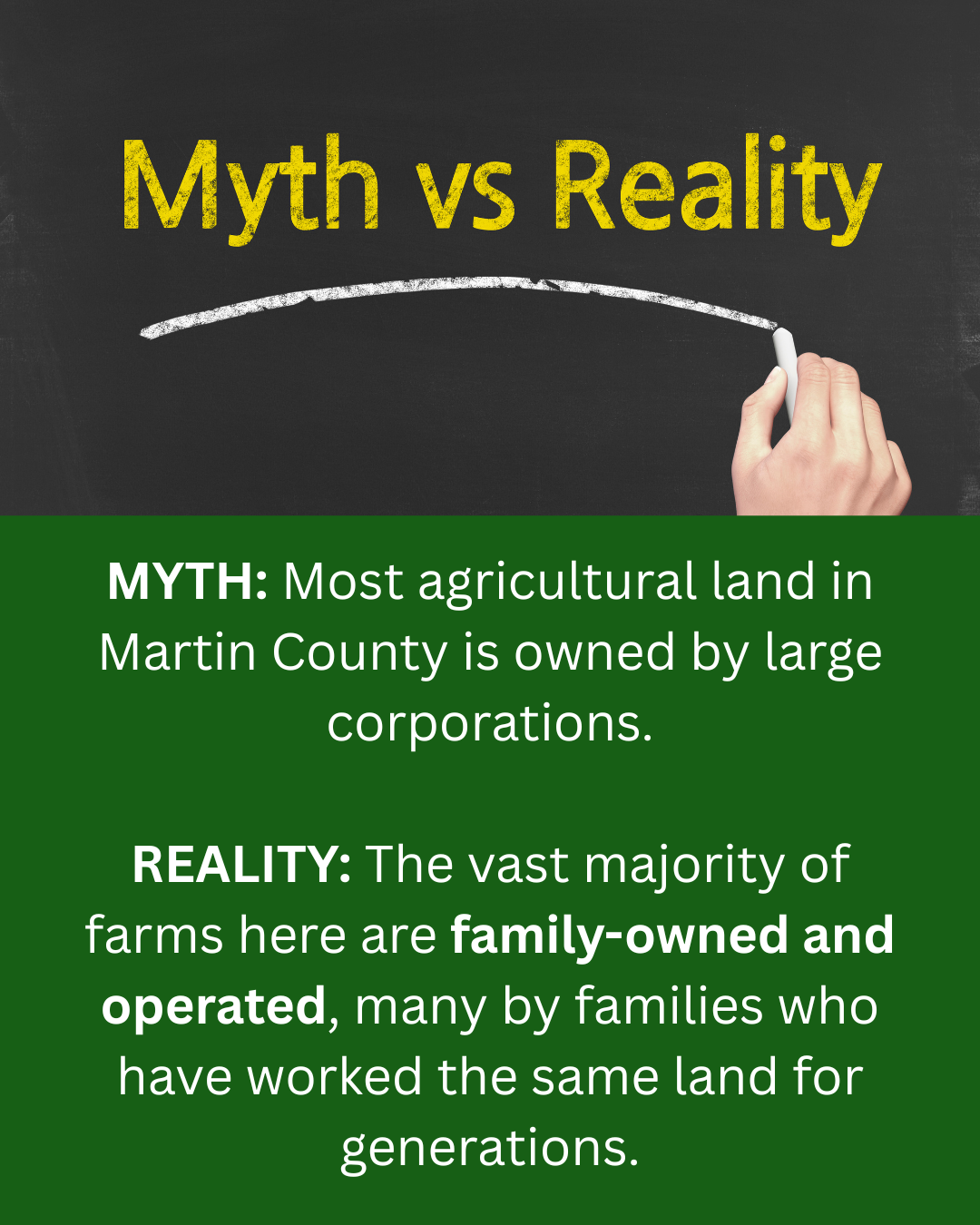
The Human Side of Farming
For many of these families, farming is more than a business. It is legacy, identity, and stewardship. It also comes with pressures that are easy to overlook:
- Hurricanes and unpredictable weather that can wipe out a season overnight
- Rising costs for fuel, fertilizer, equipment, insurance, and labor
- Tight margins and volatile markets
- Increasing regulatory and compliance demands
This is hard work, and it’s becoming harder.
The Last Crop No One Wants
There’s a quiet phrase we hear often from farming families:
“We don’t want our last crop to be houses.”
Selling land for development is rarely the goal. For many families, it becomes the option of last resort when the economics stop working or when family circumstances change. Most would prefer to keep land productive, open, and contributing to the local economy if they can find a viable path forward.

When Generations Change
Another reality is what happens as families evolve. When a patriarch or matriarch passes, children and grandchildren may have very different visions for the future. Some want to continue farming. Others may not. Some may live far away. All may depend on the land’s value in different ways.
These moments are not about a lack of care for the land. They are about balancing family needs, fairness, and financial reality.
Conservation Easements as a Practical Tool
This is where conservation easements can help. A conservation easement is a voluntary legal agreement between a landowner and a government agency or qualified land trust that permanently limits certain types of development while allowing the land to remain privately owned and, in many cases, actively farmed. For some families, easements offer a way to:
- Permanently protect land from development
- Keep farming viable for those who want to continue
- Provide financial value that can help treat heirs fairly
- Reduce pressure to sell the land outright
An easement is not about giving up ownership of the land. It is often about giving families options and time, while honoring both stewardship and family needs. We will be diving deeper into conservation easements in future One Martin newsletters, as they are often misunderstood and critically important to the future of agriculture in our county.
Why This Matters
|
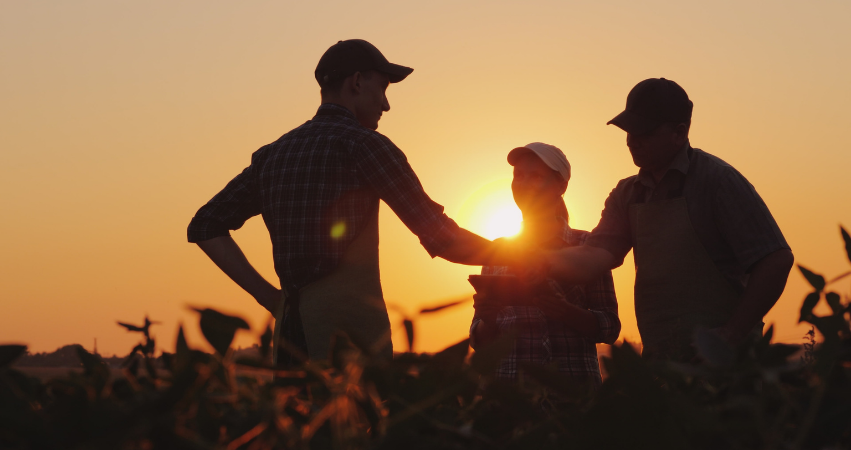
If we want thoughtful conversations about growth, water, land use, and the future of Martin County, we need to start with the full picture. Agriculture here is not dominated by distant corporations. It is shaped by families making tough, often emotional decisions about the land they love and depend on.
Thank you for taking a moment to look beyond the fence line with us. As always, if there is a farming or land-use topic you would like us to explore, we want to hear from you. Email us at OnemartinCounty@gmail.com.
With appreciation,

Rick Hartman and the One Martin Board of Directors
|
|
|