Your voice, your actions, and your support—together, we build a stronger community
Friends & Neighbors Growth, Balance and the Future of Martin County Column
Posted on June 21, 2026
Growth. Around here, it’s almost a dirty word.
My family has been in Martin County for generations, so I understand why people care deeply about protecting what makes this place special: our small-town character, agricultural lands, waterways, open space, and quality of life. Those things matter, and they’re worth protecting.
But the loudest position isn’t always the most productive one.
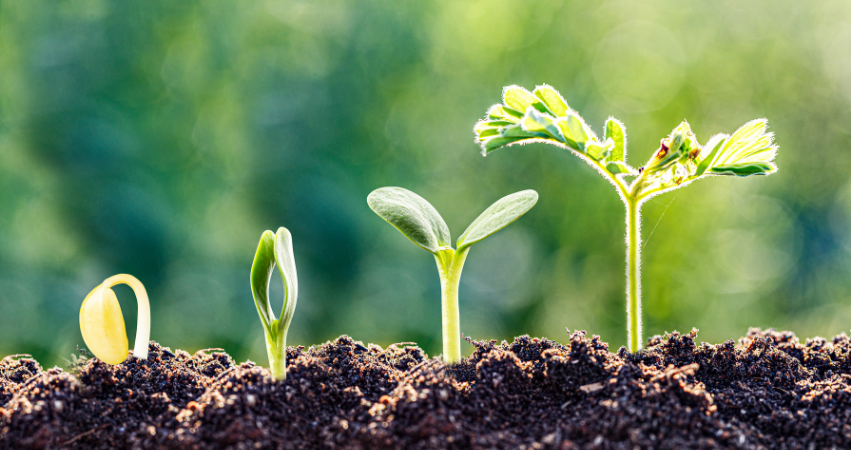
Too often, the word growth gets used as if it means one thing, when in reality it covers many different types of development, each with very different impacts. That’s why One Martin, a local organization focused on informed civic dialogue and community issues, wanted to take a closer look at what growth really means. Treating all growth the same doesn’t protect the county we love; it makes it harder to make smart decisions.
The reality is that Martin County will continue to grow. Growth is happening across Florida, and property owners have legal rights to develop land under existing laws and regulations. The real question is not if growth happens, but what kind of growth we want, where it belongs, and how it should be managed.
For decades, Martin County has largely followed a slow-growth approach. That has helped preserve many of the qualities residents value most. But there’s an important difference between slow growth, smart growth, and no growth.
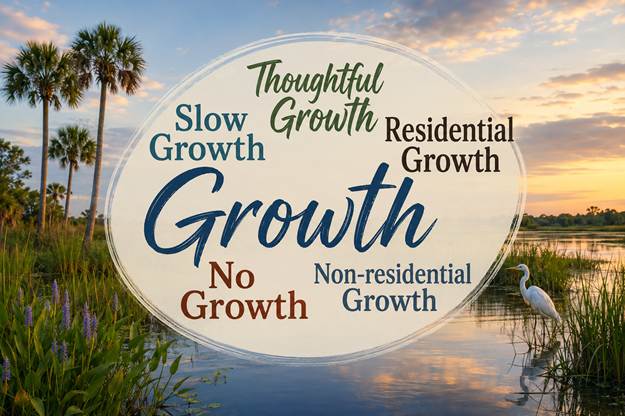
“No growth” may sound appealing, but it’s not realistic – legally, economically, or practically. Many of the communities, neighborhoods, and businesses we value today were once new developments. Most of us, in one way or another, have benefited from growth.
That doesn’t mean every project is good. It simply means that growth requires balance.
It’s also important to understand the difference between residential and non-residential growth. Housing developments create demand for roads, schools, parks, and public safety services, but they also provide homes for teachers, nurses, first responders, young professionals, families, and seniors.
Non-residential growth – such as medical offices, research facilities, retail, restaurants, and business parks – create jobs, expand services, and generate commercial tax revenue that supports the broader community.
Not all projects have the same impact. A senior living community affects infrastructure differently than a large subdivision. Housing located near jobs and services can reduce commute times and traffic congestion.
Multifamily housing is another topic that often sparks debate. For some, apartments symbolize overdevelopment. But they also provide important housing options for young adults entering the workforce, working families, and seniors on fixed incomes. Healthy communities need a range of housing choices.
None of this dismisses concerns about traffic, schools, water quality, or preserving Martin County’s character. Those concerns are valid and deserve attention.
But if we want to shape the future responsibly, the conversation must move beyond simply saying “all growth is bad.”
At One Martin, we believe Martin County deserves thoughtful civic conversations grounded in facts, balance, and long-term planning. Protecting what we love about this community means understanding growth, not just reacting to it.
To learn more about One Martin, visit onemartin.org or follow us on Facebook @OneMartinCounty
Rick Hartman’s opinions are his own and may not reflect Friends & Neighbors viewpoint.