Your voice, your actions, and your support—together, we build a stronger community
They Own the Land. Keeping It Is the Hard Part.
Posted on March 9, 2026
Hi friends,
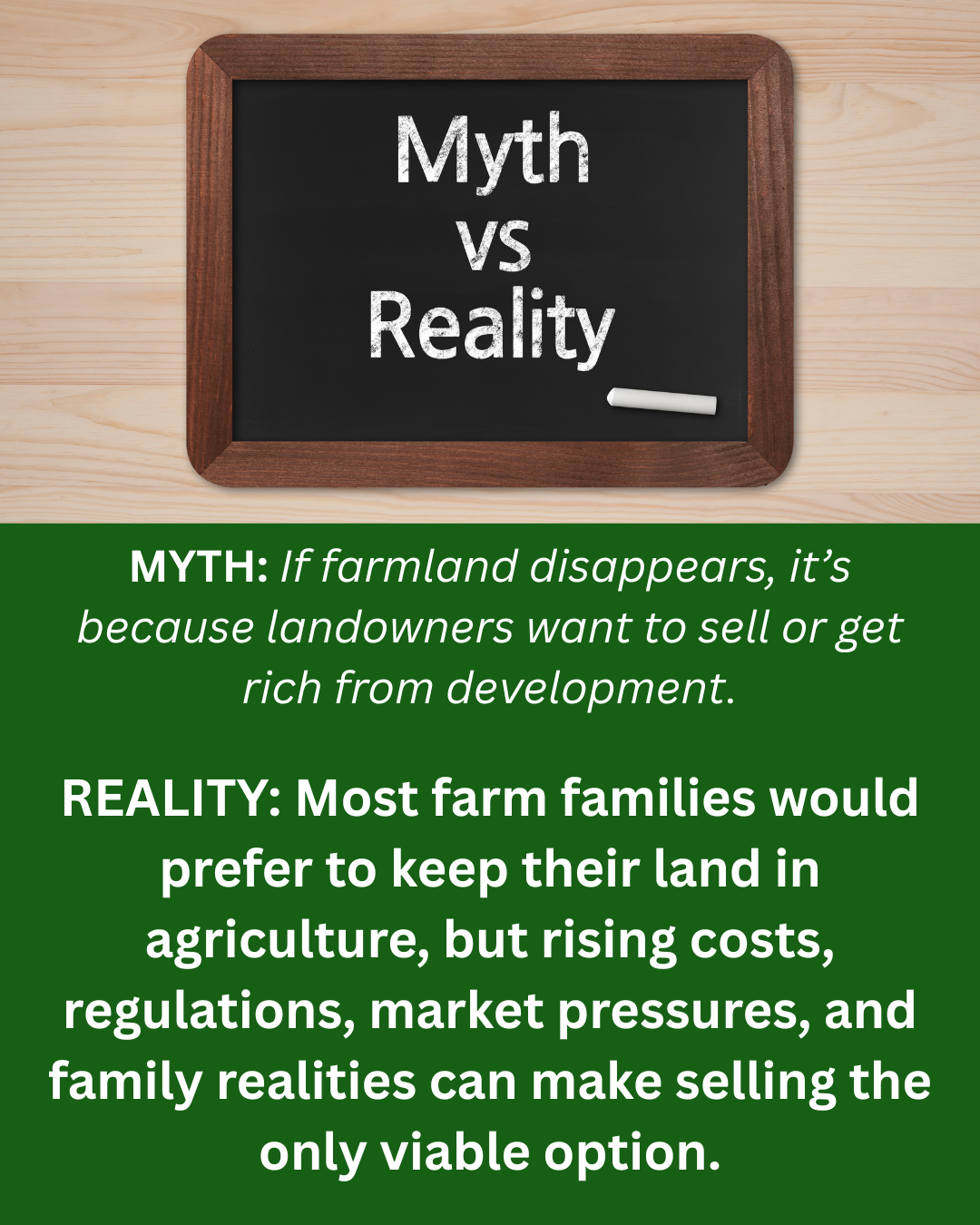
Last month we talked about who really owns Martin County’s farmland. The short answer: mostly families, not corporations. Check out last month's newsletter on the One Martin website.
This month, I want to talk about something even more important:
Why it’s getting harder for those families to keep that land in agriculture at all.
Because ownership alone doesn’t guarantee survival.
Farming is not just work. It’s risk.
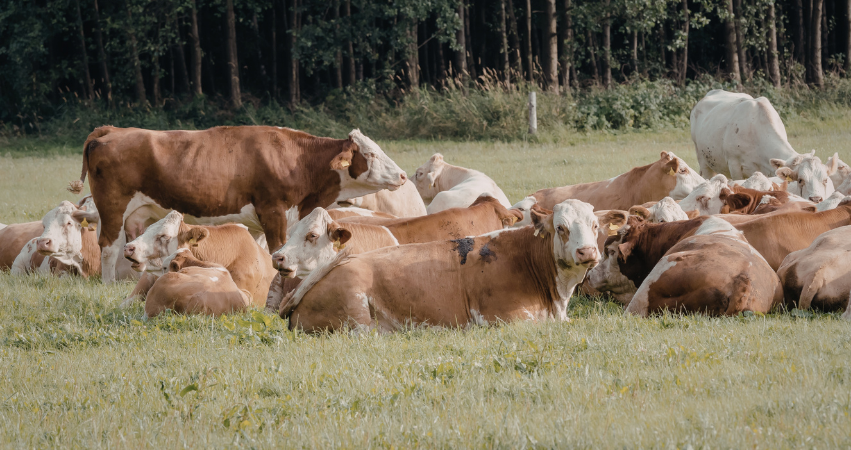
From the outside, farmland can look stable. The same fences. The same pastures. The same groves. Year after year.
But behind that view is a business that operates on razor-thin margins and uncontrollable variables.
Farm families here in Martin County are dealing with:
- Rising costs for fuel, fertilizer, seed, equipment, insurance, and labor
- Weather extremes, hurricanes, drought, and flooding
- Market swings they can’t control
- Increasing regulations and compliance requirements
- Competition from imported products produced under very different rules
One bad season can erase a year’s income. Two bad seasons can threaten the entire operation.
Land values don’t pay the bills
Here’s something many people don’t realize.
The land itself may be worth a lot on paper, especially as development pressures increase.
But that value doesn’t help a farmer buy diesel, repair equipment, or pay workers.
In fact, rising land values can make things harder:
- Property taxes can increase
- Insurance costs rise
- Pressure to sell grows
- Financing becomes more complicated
You can be “land rich” and cash poor at the same time.
When farming income can’t compete
At some point, families face a tough question: Can we afford to keep farming?
Developers can often pay far more for land than agriculture ever could generate over decades. For a family trying to pay debts, divide assets among heirs, or retire, that difference matters.
This is why you sometimes hear farmers say: “We don’t want our last crop to be houses.”
But economics can leave few alternatives.
When generations change
Land decisions rarely happen in a vacuum.
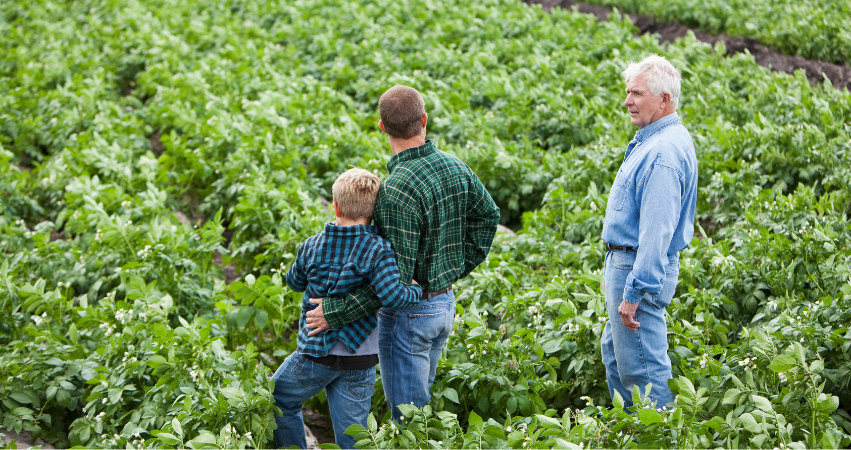
When one generation passes on, the next may include siblings with very different lives. Some want to keep farming. Some live out of state. Some rely on the land’s value for financial security. Some simply aren’t equipped to run an agricultural operation.
Even families deeply committed to the land can struggle to agree on a path forward. Keeping land intact often requires tools that make it financially possible.
Why conservation easements matter
One of those tools that we’ve mentioned before is a conservation easement.
In simple terms, an easement allows a landowner to permanently limit development while keeping the land in private ownership. The land can often continue to be farmed, ranched, or managed as working land.
For many Martin County families, easements can:
- Protect land from being subdivided or paved over
- Provide financial value without selling the property
- Help treat heirs fairly
- Reduce pressure to convert land to development
- Keep agriculture viable for the next generation
They are voluntary. They are negotiated. And they are often the difference between keeping land intact or losing it.
This is about people, not just acreage
When farmland disappears, it isn’t just open space that’s lost.
It’s family businesses. Local jobs. Food production. Wildlife habitat. Water storage. And a way of life that shaped this county and this state long before subdivisions existed.
Most farmers aren’t looking to “cash out.” They’re looking for a path to continue.
But continuing has to be economically possible.
Why this matters for Martin County
If we care about preserving rural character, protecting water resources, and maintaining local agriculture, we need to understand the pressures these families face.
Keeping land in agriculture doesn’t happen by accident.
It happens when communities support policies and tools that make stewardship financially realistic.
If there’s one takeaway, it’s this:
Farmland isn’t disappearing because families don’t care. It disappears when caring isn’t enough to overcome the math.
Thanks for taking the time to understand the people behind the land.
With appreciation,

Rick Hartman and the One Martin Board of Directors